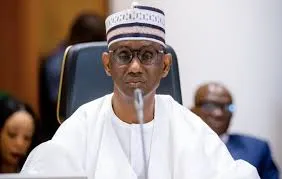
Mallam Nuhu Ribadu is one of the most recognisable figures in Nigeria’s modern political and security history. Over the years, his name has been closely linked with anti-corruption efforts, law enforcement reforms, and national security debates. From his days as a senior police officer to his leadership of the Economic and Financial Crimes Commission (EFCC), Ribadu has remained a controversial but influential public figure.
In recent years, his relevance has grown again following his appointment as National Security Adviser (NSA) to President Bola Ahmed Tinubu. This role has placed him at the centre of Nigeria’s fight against terrorism, banditry, and other security challenges. Understanding who Nuhu Ribadu is requires looking beyond headlines to his background, education, family roots, and long public service career.
Profile Summary
| Attribute | Details |
|---|---|
| Full Name | Mallam Nuhu Ribadu |
| Date of Birth | 21 November 1960 |
| Age (2025) | 64 years old |
| Place of Birth | Yola, Adamawa State, Nigeria |
| Nationality | Nigerian |
| Education | Law degree (LL.B) — Ahmadu Bello University, Nigerian Law School; Master of Laws (LL.M) in jurisprudence of corruption (Ahmadu Bello University); strategic law enforcement program — Harvard Business School |
| https://www.facebook.com/ribadu/ | |
| Current Position | National Security Adviser (NSA) to President Bola Tinubu (since June 2023) |
Who Is Nuhu Ribadu?
Nuhu Ribadu is a Nigerian lawyer, retired senior police officer, politician, and national security official. He is best known as the first Executive Chairman of the Economic and Financial Crimes Commission (EFCC), Nigeria’s leading anti-corruption agency. His tenure at the EFCC in the early 2000s made him a national and international figure.
Beyond anti-corruption, Ribadu has also been involved in electoral politics and governance. He has contested for president and governor, served in different political parties, and later returned to government as National Security Adviser. His career reflects Nigeria’s complex mix of law enforcement, politics, and public accountability.
Nuhu Ribadu Date of Birth and Age
Nuhu Ribadu was born on 21 November 1960. He was born in Yola, which is now the capital of Adamawa State, located in Nigeria’s North-East region. His birth came just weeks after Nigeria gained independence, placing his life story within the broader story of modern Nigeria.
As of 2025, Nuhu Ribadu is 65 years old. Over six decades of life, he has witnessed and participated in major political and security transitions in the country, from military rule to democracy and from weak institutions to stronger regulatory frameworks.
Early Life and Background
Ribadu grew up in Northern Nigeria, where he was exposed early to public service and leadership. His upbringing was influenced by discipline, education, and civic responsibility. These values shaped his decision to pursue a career in law and public security.
Coming from a politically aware family, Ribadu developed an early understanding of governance and national responsibility. This background played a role in his eventual rise within the Nigeria Police Force and his appointment to sensitive national roles.
Nuhu Ribadu Family Background
Nuhu Ribadu comes from a respected family with a history of public service. His father, Ahmadu Ribadu, was a notable political figure in Nigeria’s First Republic. He served as a Member of Parliament and later as Nigeria’s Ambassador to Niger Republic.
Despite his public status, Ribadu has largely kept details about his wider family private. Unlike many public figures, he rarely speaks about family matters in interviews, choosing instead to focus public attention on his work and national issues.
Nuhu Ribadu Tribe and Ethnicity
Nuhu Ribadu belongs to the Fulani ethnic group, one of the major ethnic groups in Northern Nigeria and across West Africa. His Fulani heritage is closely linked to Adamawa State, where Fulani culture and traditions are deeply rooted.
His ethnic background has sometimes been mentioned in public discussions, especially during political debates. However, Ribadu has consistently presented himself as a national figure rather than one defined by ethnicity.
Nuhu Ribadu Religion
Nuhu Ribadu is a Muslim, which aligns with his cultural and regional background. His religion is widely known through public records and his identity, though he does not frequently discuss religious matters publicly.
Throughout his career, Ribadu has maintained a professional image that focuses on law, justice, and governance rather than religious identity. His public conduct reflects a balance between personal faith and secular public service.
Education and Academic Background
Ribadu received his early education in Yola before proceeding to Ahmadu Bello University (ABU), Zaria, where he studied Law. He graduated with a Bachelor of Laws (LL.B) degree in 1983 and later attended the Nigerian Law School, where he was called to the bar in 1984.
He furthered his education with a Master of Laws (LL.M) degree and attended several international training programmes. Ribadu has also been associated with academic institutions abroad, including Oxford University, reflecting his strong academic foundation in law and governance.
Career in the Nigeria Police Force
After qualifying as a lawyer, Ribadu joined the Nigeria Police Force, where he combined legal expertise with investigative work. His intelligence, discipline, and professionalism helped him rise quickly through the ranks.
One of his early high profile roles was serving as a prosecutor at the Oputa Panel, officially known as the Human Rights Violations Investigation Commission. His performance there brought him national attention and paved the way for greater responsibilities within Nigeria’s security architecture.
EFCC Leadership and Anti-Corruption Role
In 2003, Nuhu Ribadu was appointed the first Chairman of the Economic and Financial Crimes Commission (EFCC). Under his leadership, the EFCC became a powerful institution that investigated and prosecuted high-profile corruption cases involving politicians, public officials, and business figures.
His time at the EFCC earned him international recognition but also powerful enemies. While many Nigerians praised his courage and reforms, others accused him of selective prosecution. His removal from office in 2007 remains one of the most debated moments of his career.
Political Career and Elections
After leaving the police force, Ribadu entered partisan politics. In 2011, he contested the presidential election under the Action Congress of Nigeria (ACN). Although he did not win, his campaign reinforced his image as a reform-minded candidate.
He later contested for Governor of Adamawa State on different political platforms. Over the years, Ribadu has been associated with several political parties, including the ACN, PDP, and APC, reflecting Nigeria’s dynamic political landscape.
Appointment as National Security Adviser (NSA) To Tinubu
In June 2023, President Bola Ahmed Tinubu appointed Nuhu Ribadu as National Security Adviser. This appointment was historic, as Ribadu became the first non-military NSA in Nigeria’s democratic era.
As NSA, Ribadu coordinates Nigeria’s security strategy, dealing with terrorism, banditry, kidnapping, and regional instability. His role places him at the heart of national decision-making and has renewed public scrutiny of his leadership style.
Nuhu Ribadu Wife and Marriage
Nuhu Ribadu is married, Nuhu Ribadu’s wife is Hajia Zahra Nuhu Ribadu, also referred to as Zara Ribadu, who is involved in national discussions concerning the role of families in supporting national agendas.
Nuhu Ribadu Children
Ribadu has children, two sons named Abubakar Sadiq and Mahmud, married in January 2020, and a daughter, Fatima, married to Atiku Abubakar’s son, Aliyu, in October 2020, these events had high-profile Nigerian political figures in attendance.
Personal Life and Public Image
Publicly, Nuhu Ribadu is seen as disciplined, firm, and outspoken. Supporters describe him as courageous and principled, especially because of his stance against corruption during his EFCC days.
Critics, however, see him as controversial and politically exposed. Despite differing opinions, Ribadu’s image as a strong public servant remains firmly established in Nigeria’s political history.
Controversies and Public Criticism
Ribadu’s career has not been free from controversy. His EFCC tenure attracted allegations of selective justice, while his political moves have drawn criticism from different camps.
More recently, his role as NSA has placed him in the middle of security-related debates. These controversies reflect the high-risk nature of his positions and the intense scrutiny that comes with national power.
Awards, Honours, and Recognition
Nuhu Ribadu has received several local and international recognitions for his anti-corruption efforts. His work helped improve Nigeria’s standing with global financial and anti-money-laundering institutions.
He has also been honoured through fellowships and leadership programmes, reinforcing his reputation as a reform-oriented public servant with global exposure.
Nuhu Ribadu Net Worth
There is no officially verified public record of Nuhu Ribadu’s net worth. Estimates circulating online are speculative and should be treated with caution.
Most of his known income sources come from public service, legal practice, and advisory roles. Ribadu is generally viewed as living a modest lifestyle compared to many political figures.
Legacy and Impact on Nigeria
Nuhu Ribadu’s legacy is closely tied to Nigeria’s fight against corruption and institutional reform. His EFCC leadership laid a foundation that still influences anti-corruption efforts today.
Whether admired or criticised, Ribadu remains a key figure in Nigeria’s governance story. His impact continues to shape discussions on accountability, security, and leadership.
Conclusion
Nuhu Ribadu’s life represents a complex journey through law enforcement, politics, and national security. From Yola to the corridors of power in Abuja, his career reflects both achievement and controversy.
As Nigeria continues to face major security and governance challenges, Ribadu’s role and legacy will remain subjects of national debate. Understanding his biography helps Nigerians better understand the institutions he has shaped and the country he continues to serve.
Read more:
- Timothée Chalamet Biography: Life, Movie, Height and Age
- Lamarr Wilson Biography: Life, Career, Death, and Legacy
Be the first to comment