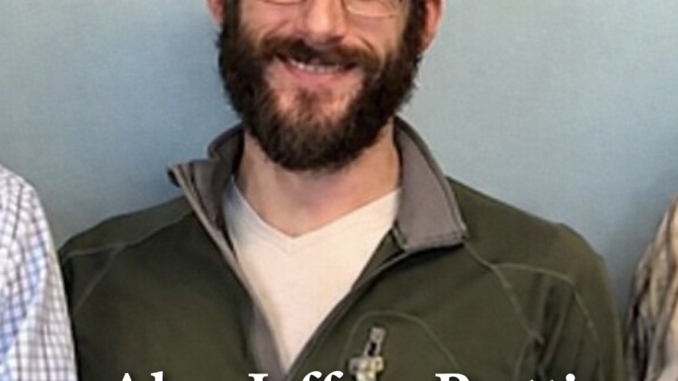
Alex Jeffrey Pretti was a distinguished American critical-care nurse whose life embodied service, compassion, and civic engagement. Born and raised in the United States, he forged a professional path in medicine with a focus on caring for veterans and improving the health of those who had served their country. As an ICU nurse at the Minneapolis Veterans Affairs Health Care System, he became known for clinical excellence, emotional resilience, and genuine empathy for patients and families. His death in Minneapolis on 24th January 2026, during a confrontation involving federal law-enforcement personnel, placed his name at the center of a national debate on federal power, civil liberties, and the responsibilities of ordinary citizens during moments of political tension. His story remains a powerful testament to vocation, character, and the intersection between individual lives and historical events.
Alex Jeffrey Pretti Early Life
Alex Jeffrey Pretti was born in Illinois and spent his childhood in Green Bay, Wisconsin. Raised in a family that encouraged education, outdoor exploration, and community involvement, he developed a well-rounded set of interests from a young age. Pretti attended Preble High School, graduating in 2006. During his school years, he participated in football, baseball, and track, and was also active in Boy Scouts and the Green Bay Boy Choir, reflecting both athletic discipline and artistic curiosity.
After high school, Pretti enrolled at the University of Minnesota, where he earned a bachelor’s degree in biology, society, and the environment in 2011. His academic experience broadened his understanding of social systems, healthcare, and policy. After graduation, he began working in research environments that exposed him to the clinical world and set the foundation for his later work in nursing.
Alex Jeffrey Pretti Career
Following his undergraduate studies, Pretti worked as a research assistant in clinical research at the Minneapolis Veterans Affairs Health Care System. His early work supported medical studies and exposed him to the unique healthcare needs of American veterans. Motivated by a desire to serve patients more directly, he returned to school to pursue nursing and became a licensed registered nurse in 2021.
Pretti joined the Minneapolis VA Medical Center as an ICU nurse, where his combination of clinical skill, steady temperament, and compassion made him highly respected among colleagues and families. The ICU environment demanded precision, calm under pressure, and the ability to communicate with empathy—qualities Pretti consistently demonstrated. He was also a member of the American Federation of Government Employees, reflecting his engagement with the institutional and professional dimensions of federal healthcare work.
At the time of his death, Pretti’s career was defined by service to veterans, continuous professional growth, and a dedication to compassionate patient care.
Alex Jeffrey Pretti Personal Life
Outside of work, Alex Pretti was known for his kindness, humility, and deep regard for others. He lived in south Minneapolis, where he cultivated a life centered around nature, community, and personal authenticity. Pretti was an avid outdoorsman who enjoyed hiking, cycling, and exploring regional trails. He had a strong bond with his Catahoula Leopard dog, Joule, who accompanied him on countless outdoor excursions.
Friends and neighbors described Pretti as warm, gentle, and genuine—someone who consistently offered support and empathy without expectation. He engaged in civic and social causes, including protests related to immigration and civil liberties, driven by concern for fairness and human dignity. Although he was a lawful gun owner with a permit to carry, those who knew him emphasized that he was not prone to confrontation and preferred peaceful engagement.
Alex Jeffrey Pretti Death in Minneapolis
On January 24, 2026, Alex Jeffrey Pretti died after being shot by agents of the United States Border Patrol during a federal immigration enforcement operation in Minneapolis, Minnesota. The confrontation occurred at the intersection of 26th Street and Nicollet Avenue amid heightened federal enforcement efforts and widespread local protests.
The Department of Homeland Security stated that Pretti approached agents while armed and resisted efforts to disarm him. This claim was publicly challenged after multiple videos were released showing Pretti holding a cell phone in his hand rather than a weapon, and showing him being pepper-sprayed, tackled, and shot within seconds. Eyewitness testimony and medical accounts further disputed the federal narrative, noting that Pretti was pinned to the ground when fatal shots were fired.
Pretti’s killing triggered protests, public outcry, and calls for independent investigation into federal conduct. His death became a focal point in national conversations about law enforcement power, federal jurisdiction, civil liberties, and the treatment of civilians during enforcement operations.
Conclusion
Alex Jeffrey Pretti’s life stands as a testament to compassion, service, and commitment to others. From his upbringing in Wisconsin to his work as an ICU nurse serving veterans, he consistently chose paths that prioritized care, dignity, and human connection. His death in Minneapolis in 2026 was a tragedy that extended far beyond local borders, prompting national reflection on the balance between government authority and individual rights. Yet beyond controversy and debate, those who knew Pretti remember a man defined not by conflict, but by integrity, empathy, and a profound commitment to the wellbeing of others. His legacy endures in the patients he cared for, the colleagues he inspired, and the broader social conversations his life and death helped shape.
Frequently Asked Questions About Alex Jeffrey Pretti
1. Who was Alex Jeffrey Pretti?
Alex Jeffrey Pretti was an American registered nurse who worked in the Intensive Care Unit (ICU) at the Minneapolis Veterans Affairs (VA) Health Care System. He was known for his compassion, professionalism, and commitment to patient care.
2. Where did he live and work?
Pretti lived in Minneapolis, Minnesota, and worked at the VA Medical Center there, providing critical care for veterans.
3. What happened to Alex Pretti?
On January 24, 2026, Pretti was shot and killed by a U.S. Border Patrol agent during a federal immigration enforcement operation in south Minneapolis. The incident occurred amid ongoing protests in the city.
4. Why was he shot?
Federal authorities stated that Pretti approached agents with a firearm and resisted being disarmed, prompting the use of lethal force. However, multiple bystander videos and eyewitness accounts show him holding a cell phone, not a weapon, and suggest that he was trying to assist others before he was shot.
5. Did he have a weapon?
Pretti legally owned a firearm and had a permit to carry, but available video footage does not show him brandishing or firing a weapon during the incident.
6. Did he have a criminal history?
Pretti had no serious criminal record; public records indicate only minor traffic violations and no history of violent behavior.
7. Was he involved in protests?
Yes. Pretti was at the scene of protests against federal immigration enforcement and appears in video footage recording or attempting to help others before the fatal encounter with agents.
8. What was the broader context of his death?
His shooting occurred during a federal immigration crackdown known as Operation Metro Surge, in a period of increased federal law enforcement activity and local protests in Minneapolis.
9. How did the public react?
Pretti’s death sparked significant public outcry, protests, and demands for independent investigations. Community leaders and civil liberties groups questioned the justification for the use of force and called for accountability.
10. What legacy did he leave behind?
Colleagues, neighbors, and community members remember Pretti as a dedicated healthcare worker, a devoted friend and neighbor, and a compassionate individual. His death also became part of broader national conversations about law enforcement, civil rights, and the role of federal agencies in local communities.
Read More:
- Tony Rapu Biography: Life, Ministry, Sons Marriage and Legacy
- Abhijit Majumdar Biography: Life, Music, Death and Legacy
Be the first to comment