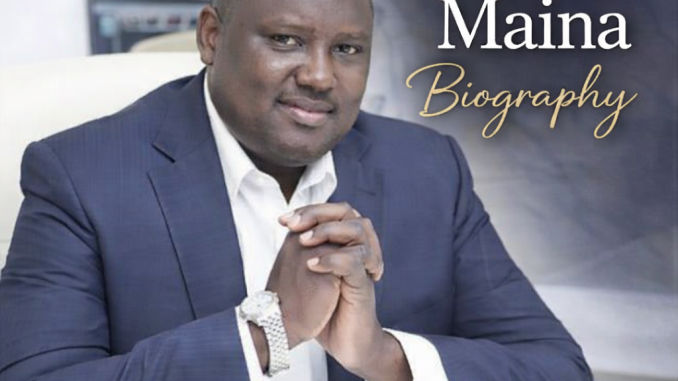
Abdulrasheed Abdullahi Maina is one of the most consequential and controversial figures in Nigeria’s recent administrative history. Rising from Biu in Borno State to nationwide prominence, he became known for spearheading the federal government’s Pension Reform Task Team, an appointment that placed him at the center of pension reform and high-stakes anti-corruption battles. His career blended rapid administrative ascent with intense public scrutiny, culminating in allegations of corruption, flight from prosecution, arrest, trial, conviction, and imprisonment. His story continues to fuel national conversations about governance, accountability, and institutional reform.
Abdulrasheed Abdullahi Maina Early Life and Background
Abdulrasheed Maina was born in Biu Local Government Area of Borno State, Nigeria, where he spent his formative years. His early upbringing in Biu shaped the foundation of his worldview before he moved into the federal civil service. Details about his childhood and family structure are limited in public records, but his origins in Borno State remain a central part of his identity.
Abdulrasheed Abdullahi Maina Education
Maina completed his primary and secondary education in Biu before advancing to tertiary studies, where he earned academic qualifications that opened the door to his career in the Nigerian public service. He entered government service as a trained administrator, positioned for roles requiring organizational leadership, investigative ability, and inter-agency coordination.
Abdulrasheed Abdullahi Maina Career
Abdulrasheed Maina built his career within Nigeria’s federal civil service, serving in administrative capacities tied to pension oversight and public-sector reforms. His career reached its peak when he was appointed Chairman of the Pension Reform Task Team (PRTT). The Task Team’s mandate involved sanitizing Nigeria’s troubled pension system, exposing fraud networks, and recovering stolen funds.
During his tenure, Maina led investigations into pension mismanagement and became known for aggressive recovery campaigns that recovered significant sums for the government. His work positioned him as a bold reform actor to some observers and a disruptive force to others.
However, controversies soon engulfed his administration. By 2013, legislative bodies and anti-corruption agencies began probing allegations of financial misconduct. The situation escalated into a national scandal that drew the attention of the media, judiciary, and security agencies. In subsequent years, Maina was removed, reinstated, promoted, accused, pursued, and later prosecuted — events that transformed him from a reform figure into a central player in one of Nigeria’s most publicized corruption cases.
Abdulrasheed Abdullahi Maina Controversy, Allegations & Legal Issues
Maina’s career became overshadowed by allegations of financial impropriety involving the diversion of large pension funds. Anti-corruption agencies pursued him on suspicions of money laundering, fraud, and abuse of office. He fled Nigeria amid investigations and was declared wanted by the Economic and Financial Crimes Commission (EFCC).
The controversy expanded both at home and abroad as Nigerian authorities sought international cooperation to secure his return. Cases involving pension funds, proxy accounts, and asset purchases intensified public interest and fueled nationwide debate about corruption, justice, and due process.
In the years that followed, Maina’s name became synonymous with pension scandals, institutional failure, and contested narratives about reform versus corruption. Political and legal dimensions intersected throughout the saga, keeping his case alive in national discussion even while proceedings were ongoing.
Abdulrasheed Abdullahi Maina Arrest, Trial and Conviction
After evading authorities for an extended period, Abdulrasheed Maina was eventually located, arrested, and extradited to Nigeria. Upon his return, he faced prosecution before a Federal High Court on multiple counts of money laundering, financial misconduct, and operating fictitious accounts linked to pension funds.
Following a lengthy trial, Maina was convicted and sentenced to eight years imprisonment for laundering billions of naira. His conviction included orders for forfeiture of assets and the winding up of a corporate entity connected to the financial offenses. He later appealed his sentence, but the Court of Appeal upheld the conviction, affirming the lower court’s decision.
Maina completed his prison term and was released after serving his sentence, emerging as a figure whose legal journey fundamentally transformed public perception of his legacy.
Abdulrasheed Abdullahi Maina Family Background
Maina originates from a family in Biu, Borno State. He is married to Laila Maina, and they have children. His family came under national attention during the legal proceedings, particularly his son Faisal Maina, who faced separate prosecution and conviction on related financial charges. The involvement of his family in legal matters became part of the wider public narrative surrounding the pension scandal.
Abdulrasheed Abdullahi Maina Legacy
The legacy of Abdulrasheed Maina is deeply polarized. Supporters remember him as a civil servant who confronted entrenched pension fraud networks and attempted to restore order to a failing system. Critics, however, view him as a symbol of the very corruption he was appointed to eliminate — a cautionary tale about power, impunity, and the dangers embedded in Nigeria’s public institutions.
Regardless of perspective, Maina’s impact on Nigeria is undeniable. His rise and fall reshaped national awareness of pension reform, exposed systemic vulnerabilities, tested the capacity of the judicial system, and heightened public vigilance regarding accountability in government. His story continues to be referenced in legal, academic, and policy discussions about governance in Nigeria.
Frequently Asked Questions About Abdulrasheed Abdullahi Maina
1. Who is Abdulrasheed Maina?
A former Nigerian civil servant and Chairman of the Pension Reform Task Team.
2. What is he known for?
Pension reform initiatives and one of Nigeria’s most publicized corruption prosecutions.
3. Was he convicted?
Yes. He was sentenced to eight years in prison on money laundering charges.
4. Was the conviction upheld?
Yes. His appeal was dismissed and the conviction affirmed.
5. Is he still influential?
His case remains influential as a reference point in discussions about governance, corruption, and pension reform.
Read more:
Be the first to comment